People want to deal directly with the brand in these eCommerce trends, it’s only natural the relationship between end-users and brands is becoming more direct.
Hello, Cyber November: The End of Black Friday & Cyber Monday
Even though consumers will spend billions on retail purchases in November, Black Friday and Cyber Monday will no longer kick off the start of the holiday shopping season.
Instead, they’ll now be part of an entire shopping season that starts in early November, hence the name “Cyber November.”
If you are a retailer prepare now because you would benefit from spreading promotions out over an entire month, making adjustments along the way, instead of betting it all on just one weekend.
Logistics would be easier to manage, not to mention that they’d avoid the headaches related to the large group of shoppers that can grind some stores (online or physical) to a halt during Black Friday weekends!
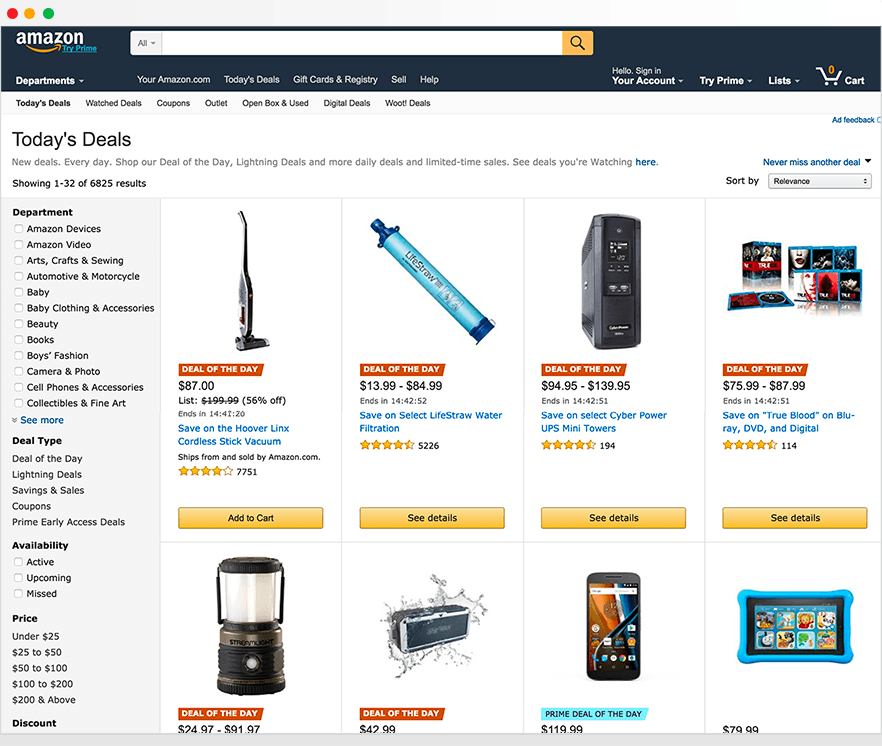
In 2016, the retail giant officially launched its “Black Friday” sales site on November 1st with a “countdown to Black Friday” angle. This was followed by the “Cyber Monday Deals Week”.
Amazon is expected to run increasingly attractive promotions that are available only for a limited time or in limited quantities, or to a specific group (special offers for Prime members, for example).
Amazon will also refresh its eCommerce offering on a daily basis while creating a sense of urgency for the entire period, rather than just two days.
By extending this sale period and taking advantage of the wide range of products sold through its platform, Amazon is able to respond quickly to trends and adjust its offer, inventory and promotions.
Real-time Customisations
What do we mean by this? Well, it’s a dynamic shopping experience that adapts to the shopper in real-time. Let us explain… just as search results differ from one person to the next, 2017 will see the emergence of an online shopping experience that is unique to the consumer.
Each shopper will have access to unique content: product recommendations and add-ons chosen based on their preferences, geographic location, market trends, demographics, past purchases, and brand interactions – all completely automated!
But there’s more, their next visit will be entirely different again because it will be based on the previous one and on the merchant’s current promotions.
While this could seem a little intrusive perhaps, the opposite is actually true: no more weird recommendations that seem to come out of the blue.
They’ll be replaced with relevant recommended products and search results that are based on the customer’s recent online activity and brand interactions – like walking into a store where the salespeople know your name and what you like.

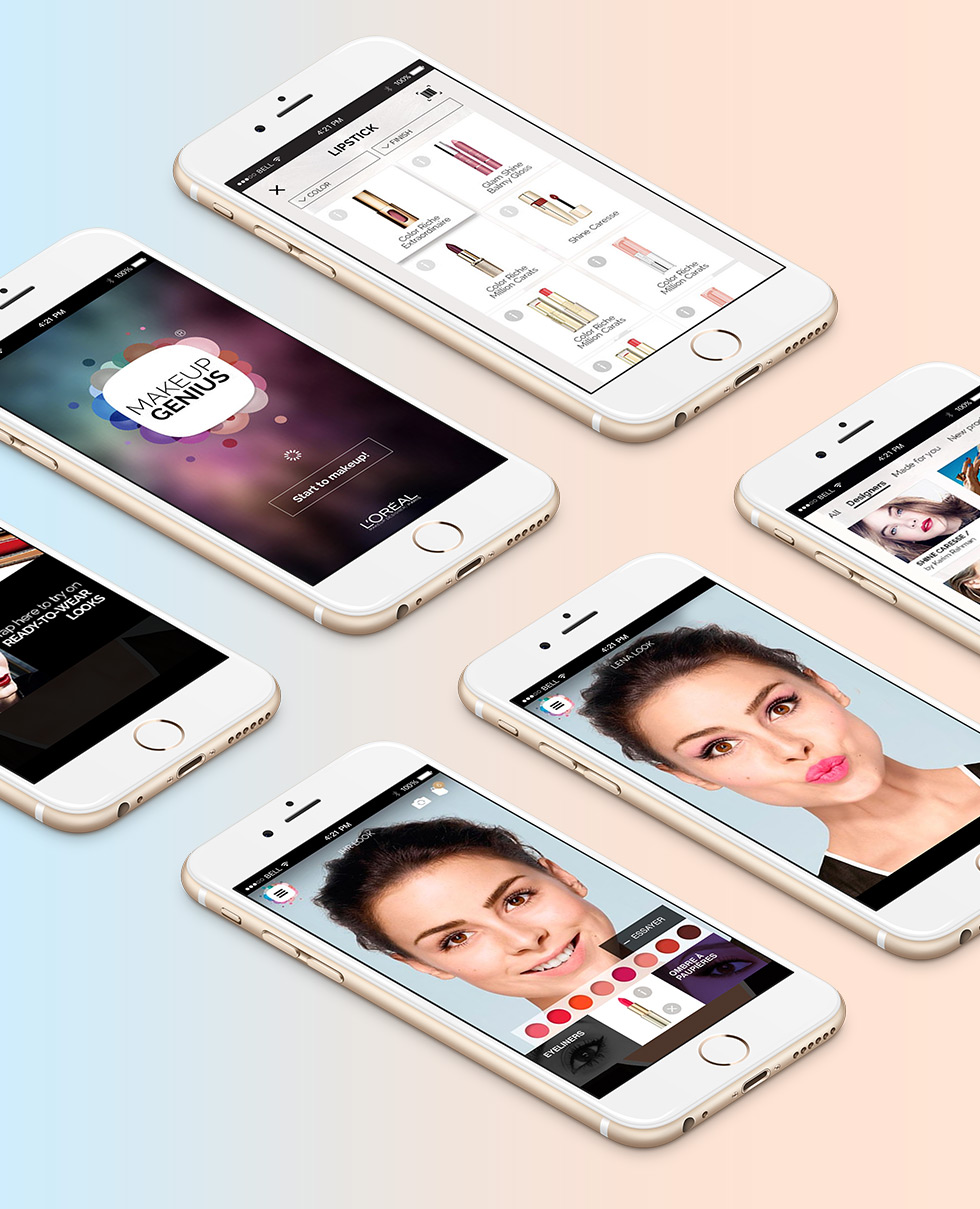
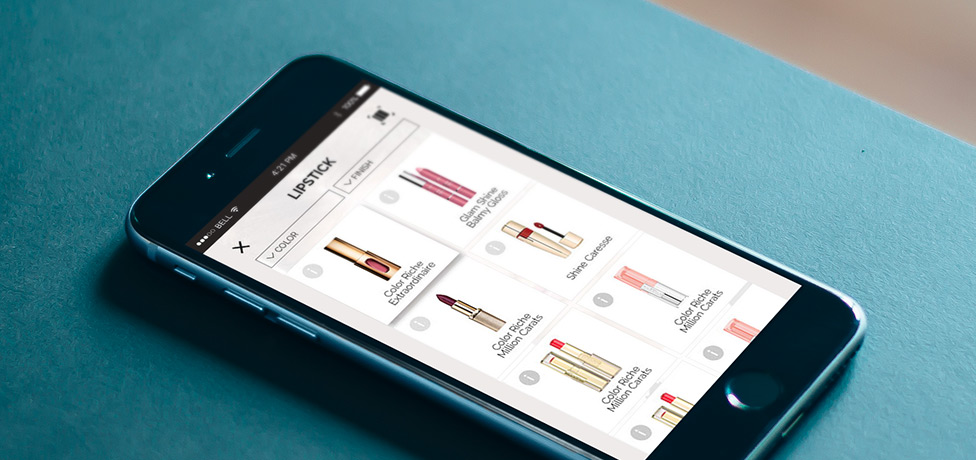
L’Oréal Paris has designed five diagnostic tools: skincare, cosmetics (face and eyes), haircare, and hair colour. These beauty diagnostics, typically operated on a mobile device, allowing consumers to try different shades of make-up, scan their hair colour, etc.
Not only can consumers use these tools to play with different looks in real-time, but the data collected during each session allows for an unprecedented level of personalisations of communications and interactions.
Not to mention ultra-customised discount coupons, which can have a major influence on purchasing decisions.
Did you know?
92% of Internet users regularly read product reviews and comments from other buyers, it’s because uncertainty is a huge obstacle to online purchasing.
The more information there is available about a product (pictures, reviews, descriptions, specifications, etc.), the less reluctant people will be to buy it online.
Hello, Artificial Intelligence
In 2017, many consumers will have their first interaction with a chatbot, a fully automated chat agent that will answer questions and act as the first point of contact with a brand.
A chatbot increases the number of platforms on which a brand can transact by offering guided, interactive browsing at all times.
Chatbots will soon become as commonplace as automated phone systems, only much more interactive and interesting. At the same time, sales people will become more important than ever, as they’ll be increasingly involved in the online experience.
What are the potential impacts of a chatbot on eCommerce? Live chat users spend an average of 5%-30% more. The buyer conversion rate is 5 to 10 times higher following a chat session.
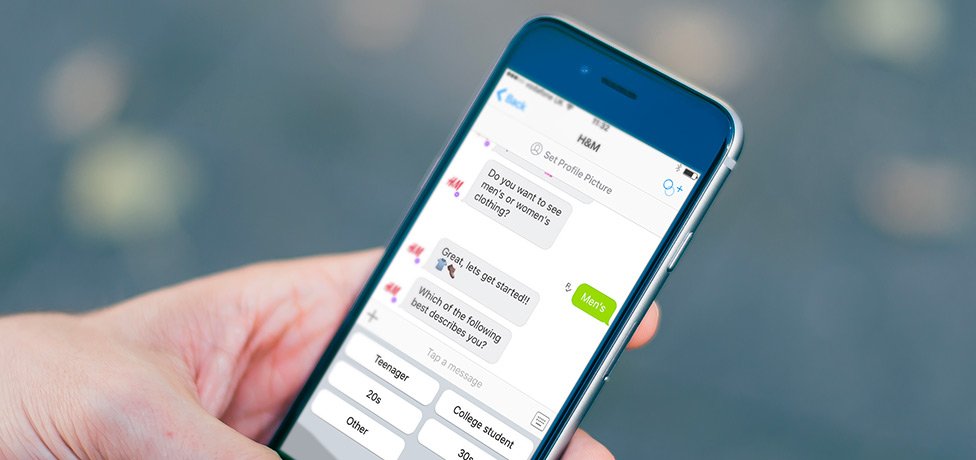
H&M, Sephora, and Victoria’s Secret have all recently introduced chatbots on the Kik platform.
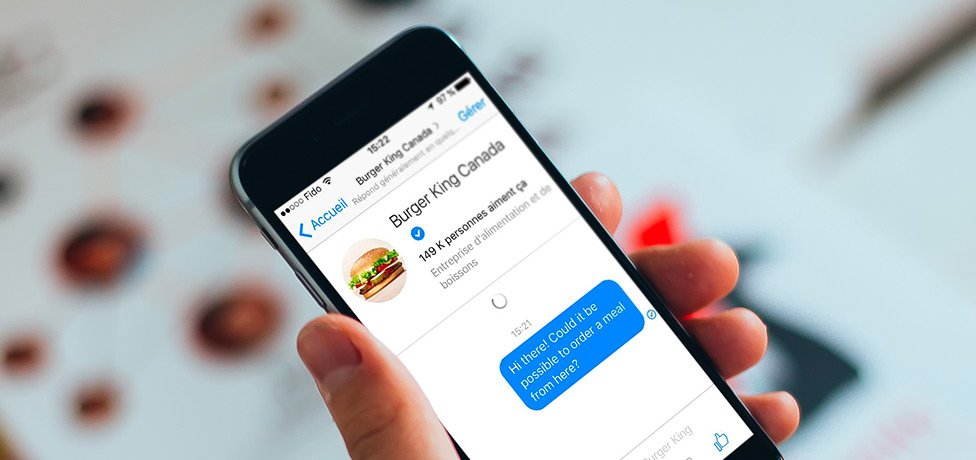
Burger King and Pizza Hut customers can order food directly through Facebook Messenger and Twitter by messaging the restaurant bots.
The fun and interactive CELEB STYLE chatbot analyses celebrity looks and tells consumers where they can purchase each wardrobe item.
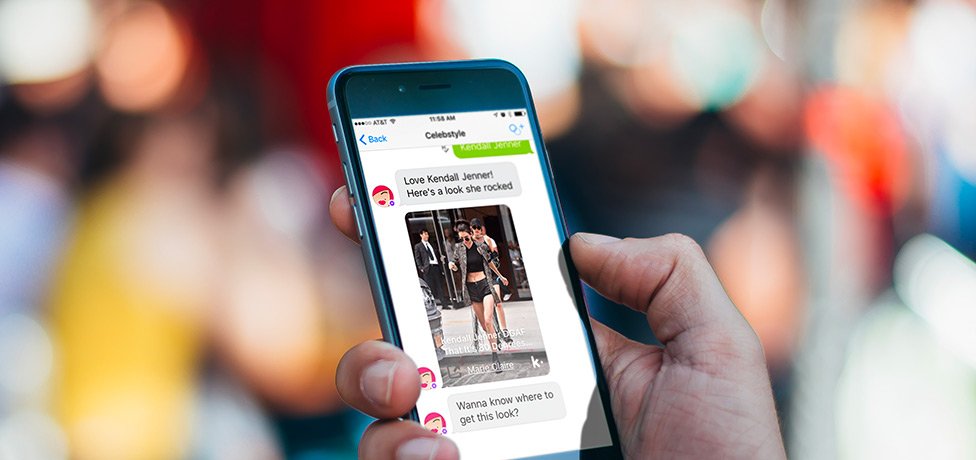
L’Oréal Canada has been diligently preparing for automated interactions, including studying potential questions and answers, which has been going on for the better part of the past year.
Bye bye, Wallet
The beginning of the end for the wallet and cash is upon us. Consumers these days can already make many purchases without even taking out their wallets.
The upgrades to consumers’ mobile devices and merchants’ point-of-sale systems will most likely spell the end of the traditional wallet for many people in 2017, especially since mobile payments will be possible using more than just a smartphone.
Watches, rings, and other devices and wearable technology will now be connected and capable of making payments. Merchants would be wise to set themselves up to accept these new payment methods as soon as possible.
In 2016, through a partnership with BMO, MasterCard announced the launch of “selfie pay,” a service that confirms a user’s identity using biometrics, in particular, using a self-portrait commonly called a “selfie.”
While the service is currently used to verify online purchases, its potential uses for cashless transactions are plain to see.
The Uber-isation of Shipping
Among the trends we already mention above also includes The Uber-isation of Shipping! This is basically smaller stores used as local drop-off points for super fast and same-day delivery.
While the “big box” model continues to lose ground, eCommerce, and especially online retail orders, continues to grow, bringing with it both challenges and opportunities related to logistics and delivery.
In 2017, many consumers will receive their first same-day delivery, whether at home, at work, or at a drop-off point of their choosing.
Many stores will now operate out of smaller spaces, which will serve as showrooms, fitting rooms, or drop-off points. Customers will be able to order the product they want after having seen it and touched it.
Buyers want to deal directly with brands
Most people want to deal directly with the brands, so it’s only natural that the relationship between end-users and brands is becoming more direct.
These same brands and manufacturers will pull out all the stops to make the sale with the end-user (Direct-to-consumer or D2C), to the detriment of their traditional distribution channels which include the distributors and merchants.